

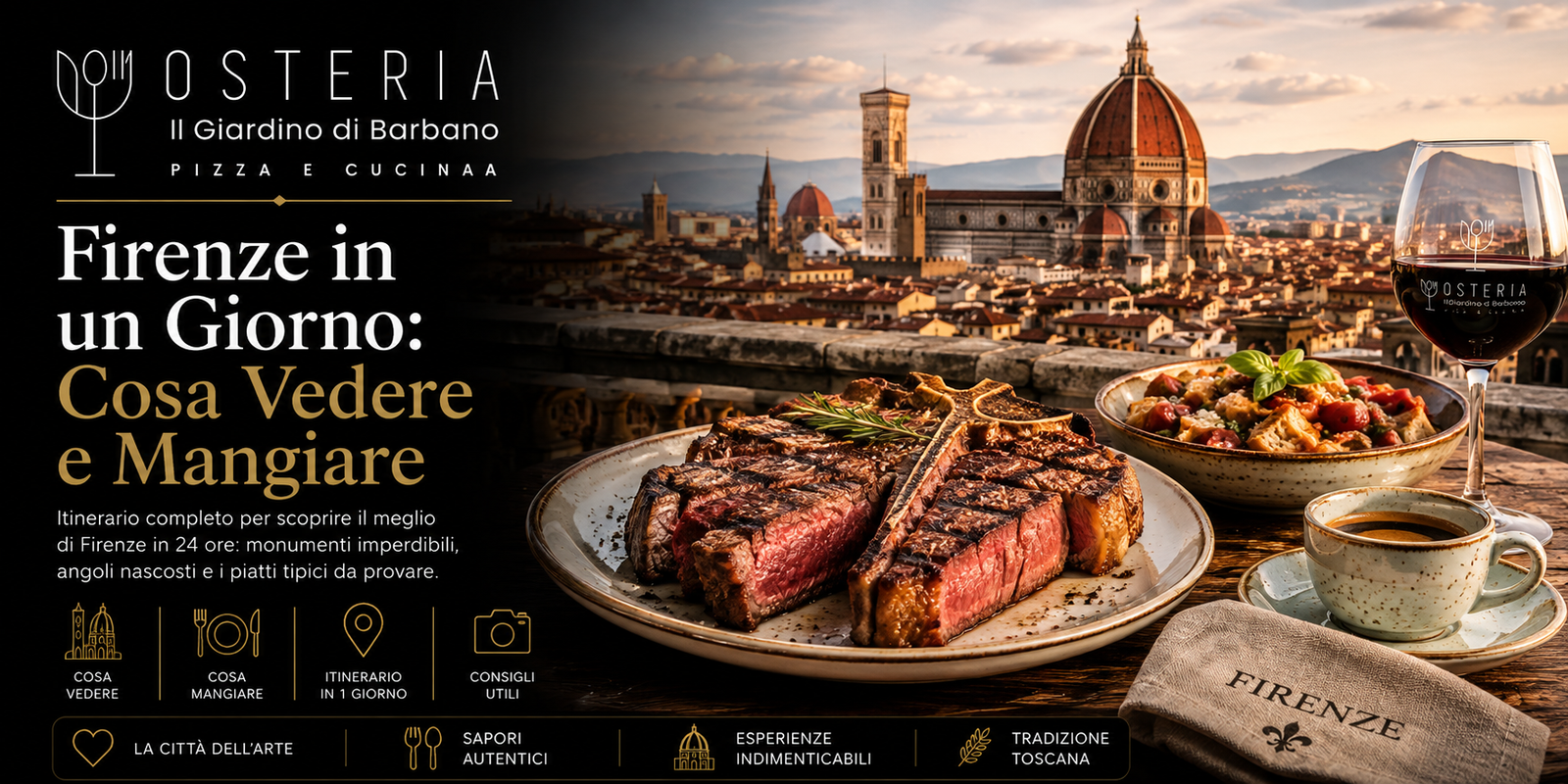
Firenze in un Giorno: Cosa Vedere e Mangiare
Florence rewards a well-planned day more than almost any other Italian city. The historic center is compact enough to cover on foot, but dense enough that a disorganized visitor can waste hours backtracking between the same three streets. This guide lays out a realistic Firenze in un giorno itinerario, built around how the city actually works: where the crowds gather, which sights are worth a ticket, and where to eat when your legs are tired and you just want something honest and Tuscan. If you’re wondering how to spend Firenze in 24 ore, this is the order that makes sense on the ground, including a stop for dinner at a place like Osteria Il Giardino di Barbano once the sightseeing is done.
Is One Day Enough for Florence?
Yes, with the right expectations. One day is enough to see the Duomo complex, Piazza della Signoria, Ponte Vecchio, and either the Uffizi or a relaxed walk through Oltrarno not all of it in full depth, but enough to leave with a genuine feel for the city. Trying to fit in every museum leads to exhaustion and rushed, forgettable visits. The itinerary below assumes you want to see Florence properly rather than tick off a list.
08:00–09:00 Breakfast and Start of the Day
Start early. Florence’s centro storico fills up quickly after 9:30, especially around the Duomo, so an early breakfast buys you the calmest version of the city. A simple cappuccino and cornetto at a standing bar near your accommodation is the local rhythm. Italians rarely sit down for breakfast, and standing at the counter is both faster and cheaper. This is also the moment to put on comfortable, broken-in shoes. Florence’s streets are cobbled, and a day of sightseeing here easily adds up to 12,000–15,000 steps.
09:00–11:00 Duomo and the Historic Center
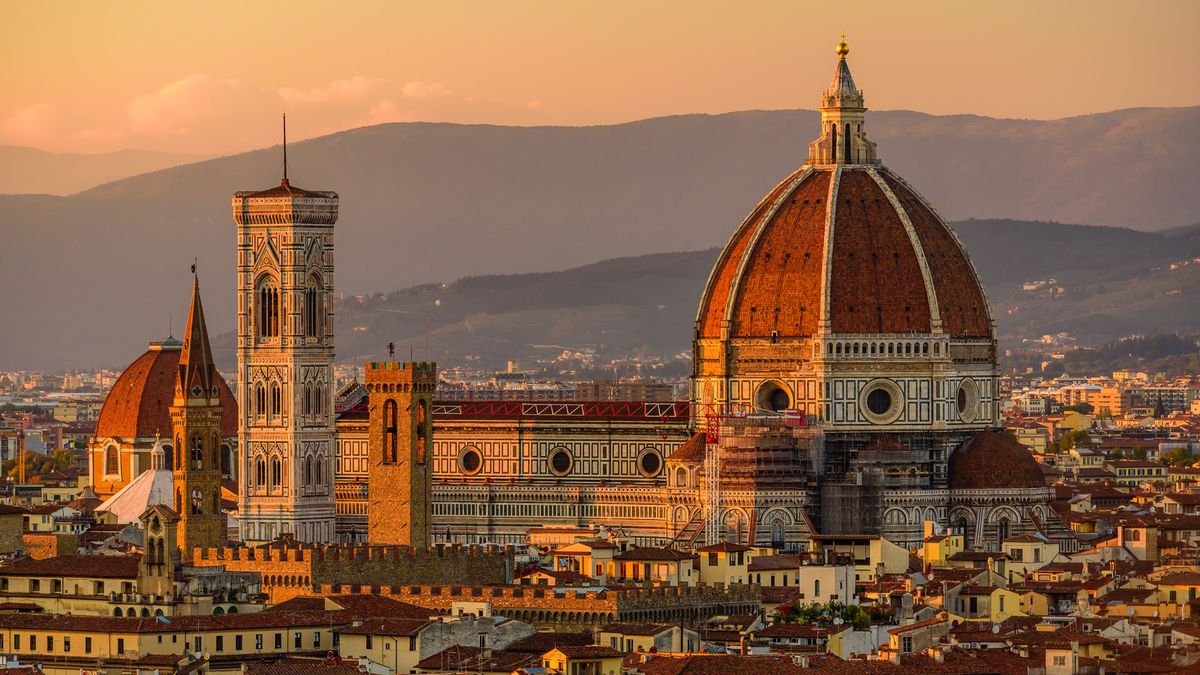
Head straight to Piazza del Duomo. The Florence Cathedral (Santa Maria del Fiore), Giotto’s Bell Tower, and the Baptistery form the visual heart of the city, and seeing all three from outside takes about 20–30 minutes. If you want to climb the Dome or the Bell Tower, book tickets in advance; same-day entry is rarely available, and both climbs involve narrow, one-way staircases that get very warm by midday. The Baptistery’s bronze doors are worth a slow look even if you skip the interior. Budget roughly two hours here if you’re climbing something, or 45 minutes if you’re staying at ground level.
What Requires Advance Tickets
- Dome climb (Brunelleschi’s cupola): booking essential
- Bell Tower booking recommended
- Baptistery interior ticket required; exterior is free to view
- Cathedral interior is free, but expect a queue
11:00–12:00 Piazza della Signoria and Palazzo Vecchio
A ten-minute walk from the Duomo brings you to Piazza della Signoria, Florence’s open-air sculpture gallery and political stage since the Middle Ages. The Loggia dei Lanzi and the replica of Michelangelo’s David outside Palazzo Vecchio are free to view. Palazzo Vecchio itself can be visited with a ticket, but on a single-day trip it’s reasonable to admire it from the piazza and save the entry fee for the Uffizi instead. This square is also a good spot to get oriented, since several of the day’s later stops branch off from here.
12:00–13:00 Historic Streets and a Local Food Stop
Rather than sitting down for a full meal now, use this hour to wander the narrow streets around Via dei Calzaiuoli and Via de’ Tornabuoni, and stop for a light bite. This is a natural moment for crostini toscani, grilled bread topped with chicken liver pâté, a genuinely Florentine starter that works well as a mid-morning snack rather than a full course. It keeps you fueled without filling you up before lunch.
13:00–14:30 Tuscan Lunch
By early afternoon, sit down properly. Lunch in Florence is typically lighter than dinner, so this is a good time for a plate of fresh Tuscan pappardelle with wild boar ragù, a regional classic, or a bowl of ribollita, the thick vegetable and bread soup that Tuscan cooking is built around. Pappa al pomodoro, a tomato and bread soup, is another dish that suits a midday meal better than an evening one. Choose somewhere near Piazza della Signoria or the Duomo to avoid losing time walking back and forth.
14:30–16:00 Uffizi, Ponte Vecchio, and the Arno
If you’ve booked Uffizi Gallery tickets in advance, this is the window to use them. The collection is large, so plan for at least 90 minutes even on a fast visit, and treat it as the one museum of the day rather than trying to add a second. If you’d rather stay outdoors, skip the Uffizi and walk instead toward Ponte Vecchio, the medieval bridge lined with jewelers that has crossed the Arno since 1345. Either way, plan to be at the bridge by mid-afternoon: the light on the river is at its best, and it’s less crowded than at sunset.
16:00–18:00 Crossing into Oltrarno
Cross Ponte Vecchio into the Oltrarno district and head toward Santo Spirito. This side of the Arno moves at a different pace: fewer tour groups, more working artisan studios, and a genuinely local square in Piazza Santo Spirito. If you have any energy left for a second church, Santa Croce (back on the north side) is another option, known for its Renaissance tombs, though visiting both Santo Spirito and Santa Croce properly in one afternoon is ambitious. Pick one based on whether you want a quieter neighborhood walk (Santo Spirito) or another major monument (Santa Croce).
18:00–19:30 Aperitivo or a Relaxing Walk
Aperitivo in Florence usually means a glass of wine with small snacks between 6 an8 pmpm, and it’s a good way to rest before dinner without committing to a full meal. A Tuscan Chianti or Vernaccia by the glass, taken at a small bar in Oltrarno or back near the center, fits naturally here. If you’d rather skip a formal aperitivo, use this hour for an unhurried walk along the Arno or up toward Piazzale Michelangelo for the view, keeping in mind the climb takes about 20–25 minutes on foot.
19:30–21:30 Traditional Tuscan Dinner
Best Restaurant After Sightseeing Florence
After a full day of walking, what most visitors actually want from dinner is simple: a place that’s easy to reach, serves proper Tuscan cooking rather than a tourist-menu compromise, and doesn’t rush you. Look for a restaurant with a comfortable, unhurried atmosphere, dishes made with quality local ingredients, and a wine list that includes Tuscan reds by the glass. After a day like this, you don’t want to be deciphering an overly complicated menu.
Osteria Il Giardino di Barbano is one option worth considering for this kind of evening. It offers traditional Tuscan dishes in a relaxed setting, which suits travelers who’ve spent the day on their feet and want dinner to feel like a pause rather than another attraction to manage. It’s a reasonable choice if you’re looking for a sit-down Tuscan meal within reach of the historic center rather than a rushed, standing-room option.
This is also the meal for bistecca alla Fiorentina, the thick, bone-in T-bone steak that’s the region’s signature dish traditionally served for two and cooked rare, so it’s worth asking before ordering if that’s not to your taste. Pair it with a Tuscan red wine, and finish with cantucci and Vin Santo, the almond biscuits dipped in sweet wine that end most Tuscan meals.
21:30 Onward Evening Florence
After dinner, Florence’s historic center is genuinely pleasant to walk through once the day-trip crowds have thinned. A short evening walk past the Duomo or along the Arno, with a stop for gelato if you have room, is a fitting way to close the day. Stick to shops with visibly fresh, seasonal colors rather than artificially bright display,s a reliable sign of quality gelato in any Italian city.
What to Skip if Time Is Limited
If 24 hours starts to feel tight, the first things to cut are a second museum beyond the Uffizi, the full Bell Tower and Dome climb combination (choose one, not both), and Santa Croce if you’ve already chosen Santo Spirito. Florence rewards depth over breadth on a single-day visit.
Suggested Walking Route
A simple, logical loop keeps backtracking to a minimum:
- Start at Piazza del Duomo
- Walk 8–10 minutes to Piazza della Signoria
- Continue 5 minutes to the Uffizi Gallery / Ponte Vecchio
- Cross the bridge into Oltrarno / Santo Spirito (10 minutes)
- Return across the Arno toward Santa Croce or the center for dinner (15 minutes)
- Evening walk back through Piazza del Duomo or along the Arno
This route avoids doubling back and keeps every stop within a 5–15 minute walk of the next.
One-Day Itinerary Table
| Time | What to Do | Where | Recommended Time |
| 08:00–09:00 | Breakfast | Local café near your accommodation | 45–60 min |
| 09:00–11:00 | Duomo, Bell Tower, Baptistery | Piazza del Duomo | 1–2 hours |
| 11:00–12:00 | Piazza della Signoria, Palazzo Vecchio (exterior) | Historic center | 45–60 min |
| 12:00–13:00 | Wander and light snack (crostini) | Via dei Calzaiuoli area | 45–60 min |
| 13:00–14:30 | Tuscan lunch | Near Piazza della Signoria | 1–1.5 hours |
| 14:30–16:00 | Uffizi Gallery or Ponte Vecchio walk | Arno riverside | 1.5 hours |
| 16:00–18:00 | Santo Spirito or Santa Croce | Oltrarno / San Croce | 1.5–2 hours |
| 18:00–19:30 | Aperitivo or riverside walk | Oltrarno or centro storico | 1–1.5 hours |
| 19:30–21:30 | Tuscan dinner | Osteria Il Giardino di Barbano or similar | 1.5–2 hours |
| 21:30 onward | Evening walk, gelato | Duomo / Arno | Flexible |
What to Eat Table
| Food | What to Try | Best Time | Why Try It |
| Crostini Toscani | Grilled bread with chicken liver pâté | Late morning snack | Classic Florentine starter, light enough between meals |
| Pappa al Pomodoro | Tomato and bread soup | Lunch | Simple, filling Tuscan comfort food |
| Ribollita | Vegetable and bread soup | Lunch | A true Tuscan peasant dish, hearty and warming |
| Fresh Tuscan Pasta | Pappardelle with wild boar ragù | Lunch | Regional specialty, best enjoyed midday |
| Bistecca alla Fiorentina | Bone-in T-bone steak, cooked rare | Dinner | The signature Tuscan dish, best shared over a relaxed meal |
| Gelato | Seasonal, naturally colored flavors | Afternoon or evening | A Florence tradition worth pausing for |
| Cantucci e Vin Santo | Almond biscuits with sweet wine | After dinner | The traditional way to close a Tuscan meal |
| Tuscan Wine | Chianti or Vernaccia by the glass | Aperitivo or dinner | Pairs naturally with the region’s rustic dishes |
Local Travel Tips
- Footwear matters more than fashion. Florence’s stone streets are uneven, and a full day here is hard on unsupportive shoes.
- Book the Dome and Uffizi in advance. Same-day tickets are unreliable, especially from spring through early autumn.
- Midday heat is real in summer. Between June and August, plan indoor stops (Uffizi, Baptistery) for the early afternoon and outdoor walking for morning or evening.
- Carry water. Florence has public drinking fountains (nasoni) throughout the center, free and safe to use.
- Avoid restaurants with picture menus directly on the main tourist streets near the Duomo; walking two or three streets away usually improves quality and price.
- Families should build in a rest break after lunch; a slower Oltrarno walk works better with children than another museum.
- Couples short on time might prioritize the Ponte Vecchio at golden hour over an extra sightseeing stop.
- Budget tip: viewing the Duomo, Baptistery exterior, and Piazza della Signoria costs nothing; the Uffizi and Dome climb are the day’s main paid expenses.
Key Takeaways
- A realisticone-dayy in Florence itinerary covers the Duomo area, Piazza della Signoria, one major museum, Ponte Vecchio, and one Oltrarno stop, not everything at once.
- Book the Uffizi and Dome climb in advance; most other major sights can be enjoyed from outside for free.
- Lunch favors soups and fresh pasta; dinner is the right time for bistecca alla Fiorentina.
- Choose a dinner spot, such as Osteria Il Giardino di Barbano, that’s central, relaxed, and serves traditional Tuscan cooking rather than a rushed tourist menu.
- Comfortable shoes and an early start make the biggest practical difference to how the day feels.
Conclusion
Florence doesn’t need three days to leave an impression;n it needs a plan that respects how compact and walkable the center actually is. Starting early at the Duomo, keeping the afternoon to one museum, crossing into Oltrarno for a change of pace, and closing the day with a proper Tuscan dinner gives first-time visitors a complete, unhurried picture of the city in 24 hours. Follow this order, eat when the food actually suits the hour, and you’ll leave Florence having tasted and seen far more than the rushed version of the same day.
Frequently Asked Questions
Can you see Florence in one day?
Yes. The historic center is compact, and a focused itinerary covering the Duomo, Piazza della Signoria, one museum, and Ponte Vecchio is realistic in 24 hours.
What should I see first in Florence?
Start at Piazza del Duomo early in the morning, before the crowds build up around the Cathedral and Baptistery.
What is the best one-day itinerary for Florence?
A route that moves from the Duomo to Piazza della Signoria, then to the Uffizi or Ponte Vecchio, across into Oltrarno, and back for dinner in the historic center.
How much can you walk in Florence in one day?
Expect 10,000–15,000 steps if you follow a full sightseeing day, so comfortable shoes are essential.
Can I visit the Uffizi and Duomo in one day?
Yes, but book both in advance and treat the Uffizi as the day’s one major museum rather than adding a second large collection.
Where should I eat lunch in Florence?
Somewhere near Piazza della Signoria or the Duomo, serving Tuscan soups or fresh pasta, keeps the day efficient.
What food should I try in Florence?
Crostini toscani, ribollita, pappa al pomodoro, fresh Tuscan pasta, bistecca alla Fiorentina, and cantucci with Vin Santo.
Where should I eat after sightseeing in Florence?
Look for a relaxed, centrally located osteria serving traditional Tuscan dishes, such as Osteria Il Giardino di Barbano.
Is Florence walkable in one day?
Yes, the historic center is small enough to cover mostly on foot, with occasional short bridges between districts.
What should I skip if I only have 24 hours?
A second full museum, climbing both the Dome and the Bell Tower, and visiting both Santo Spirito and Santa Croce in depth.
Leave a Reply