

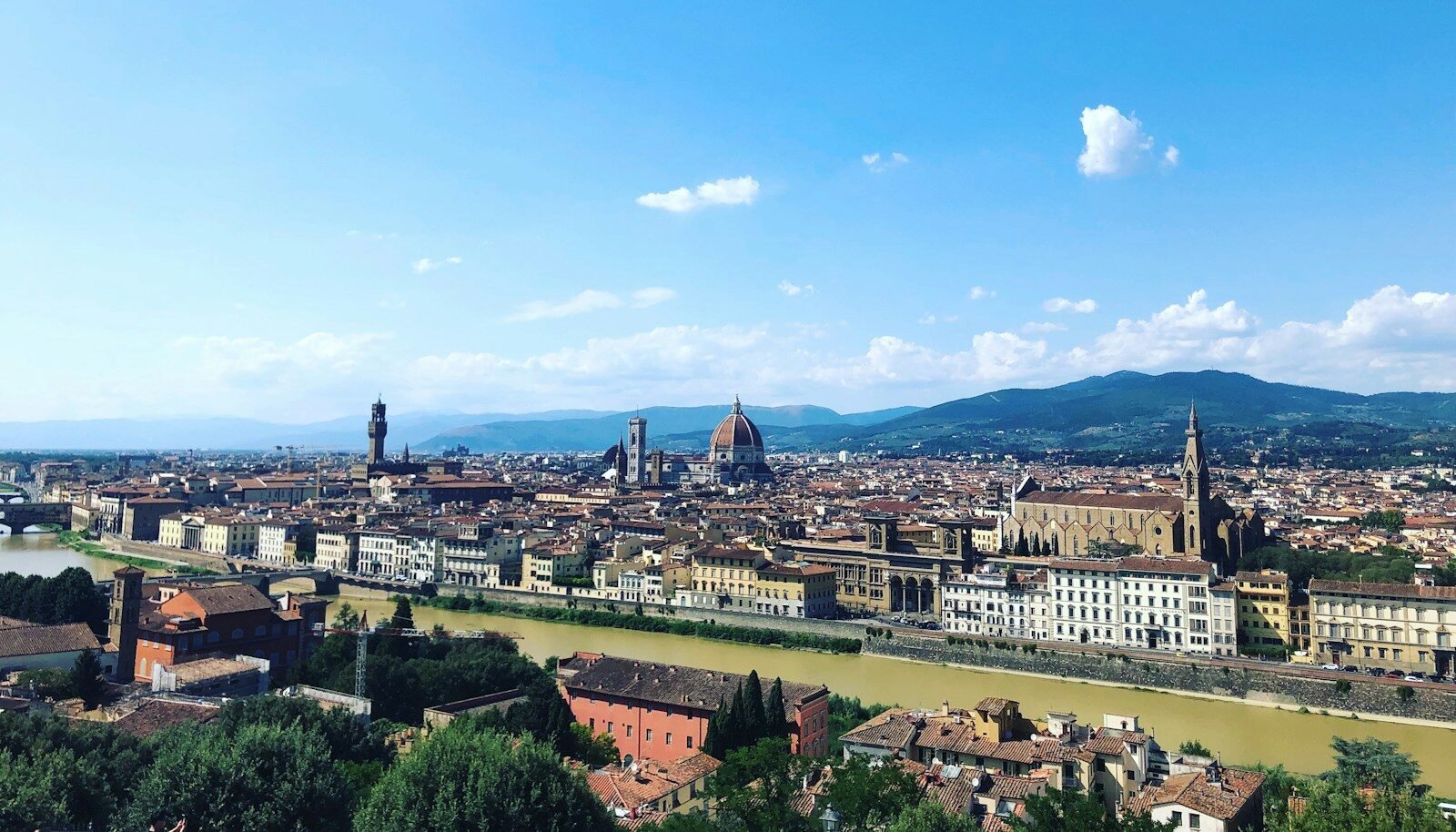
Where to Eat in Florence: A Complete Food Guide
Florence rewards travelers who eat across neighborhoods and price points instead of sticking to one area. Try bistecca alla Fiorentina, a lampredotto sandwich from a street cart, and a trattoria lunch in San Lorenzo or Oltrarno. Book ahead for Michelin tables, and favor short, seasonal, mostly Italian menus, a reliable sign of a kitchen cooking for locals, not just tourists.
Florence is a small city with an outsized food identity. Tuscan cooking here is built on a handful of good ingredients rather than elaborate technique, and the city’s restaurant scene ranges from century-old working men’s trattorias to a three-Michelin-star dining room. This guide is organized the way a traveler actually plans a trip: by what to eat, where to eat it by neighborhood, what it costs, and how to tell a good kitchen from one built purely for foot traffic.
Understanding Florence’s Food Scene
Florentine cooking grew out of cucina povera, “poor kitchen” cooking that turned humble, inexpensive ingredients into full meals: stale bread became soup, tough cuts of beef and offal became slow-cooked classics, and beans and seasonal vegetables did most of the work. That tradition still shapes menus today, even at white-tablecloth restaurants. Chianina beef, Tuscan extra-virgin olive oil, pecorino cheeses, and DOP cured meats like finocchiona show up again and again, and a menu that leans on these staples and changes with the seasons is usually a better sign than one offering pizza, sushi, and steak on the same page.
What to Eat in Florence: Tuscan Dishes Worth Knowing
You don’t need to plan every meal around these dishes, but knowing what they are makes ordering easier and helps you spot a kitchen cooking Tuscan food rather than a generic Italian-tourist menu.
| Dish | What it is | Where you’ll typically find it |
| Bistecca alla Fiorentina | A thick T-bone or porterhouse cut from Chianina cattle, grilled over coals and served rare (al sangue), sold by weight and meant to be shared | Traditional trattorias and steak-focused osterias across the city |
| Ribollita | A thick bread-and-vegetable soup built on cavolo nero (Tuscan kale), beans, and day-old bread | Trattorias, especially in colder months |
| Pappa al pomodoro | A tomato and bread soup, another classic use of stale bread | Casual trattorias, often as a starter |
| Lampredotto | Slow-cooked cow’s stomach, usually served as a panino with salsa verde and chili oil | Street carts (trippai), San Lorenzo and Mercato Nuovo among them |
| Panzanella | A cold bread and tomato salad, a summer dish | Trattorias in warmer months |
| Crostini Toscani | Toasted bread topped with chicken liver pâté | Nearly every traditional restaurant, usually as an antipasto |
| Schiacciata | A flat, olive-oil-brushed Tuscan bread, often filled as a sandwich | Bakeries and dedicated sandwich shops |
| Pici | Thick, hand-rolled Tuscan pasta, often with a wild boar or garlic-and-breadcrumb sauce | Tuscan-focused trattorias |
Bistecca alla Fiorentina deserves its own attention, since it is the dish most travelers ask about and the one most often done badly. It should be cooked rare and never split as a single small portion; it is sold and priced by the kilogram and meant for two people or more. For a full explanation of how it is prepared and how to order it properly, this complete guide to bistecca alla Fiorentina walks through the cut, the cooking method, and the traditional sides that come with it.
Beyond the classics, look for wild boar (cinghiale) in ragù or stew, especially in autumn and winter, and finish a meal with cantucci (almond biscotti) dipped in Vin Santo, a sweet dessert wine. Gelato is everywhere, and it’s worth choosing a shop where the gelato is kept in covered metal tins rather than piled into bright, artificially high mounds, generally a sign of fresher, less additive-heavy product. Pair meals with Tuscan wine: Chianti and Chianti Classico for everyday drinking, Brunello di Montalcino or a Super Tuscan for something more serious. For a broader rundown of Florence’s signature dishes and where the tradition behind each one comes from, see this guide to what to eat in Florence.
Where to Eat by Neighborhood
| Neighborhood | Known for | Typical price level | Best for |
| Centro Storico / Duomo | Major sights, dense tourist traffic | Wide range, higher near the main squares | Convenience, but requires more care choosing a restaurant |
| San Lorenzo | Mercato Centrale, leather stalls, steakhouses | Budget to mid-range | Market eating, classic bistecca dinners |
| Santa Croce / Sant’Ambrogio | Local market, Michelin dining, wide variety | Budget to fine dining | A mix of everyday and special-occasion meals |
| Oltrarno (Santo Spirito, San Frediano, San Niccolò) | Artisan workshops, wine bars, neighborhood trattorias | Mid-range | A slower, more local dining pace |
Centro Storico and the Duomo Area
The streets immediately around the Duomo, the Uffizi, and Piazza della Signoria see the heaviest tourist footfall in the city, and pricing and quality vary widely as a result. It’s not that every restaurant here is bad, but it’s worth walking two or three streets away from the main piazzas before choosing where to sit down. If you want a splurge in this area, Gucci Osteria da Massimo Bottura sits right on Piazza della Signoria and holds a Michelin star for its Italian menu with Mexican and Japanese touches.
San Lorenzo and Mercato Centrale
This neighborhood centers on Mercato Centrale, Florence’s largest covered market. The ground floor is a working food market with butchers, cheesemongers, and produce stalls, open mornings through early afternoon most days; the first floor is a food hall with a wide range of stalls open into the evening. Da Nerbone, on the ground floor, is one of the best-known spots for a lampredotto sandwich. A few streets over, around Piazza dell’Indipendenza, the area is quieter and more residential, home to trattorias and steak-focused osterias such as Osteria Il Giardino di Barbano’s menu, which pairs a Tuscan bistecca alla fiorentina with wood-fired pizza. For a closer look at eating well in this part of the historic center more broadly, this guide to restaurants in Florence’s centro storico covers what to look for in a menu here.
Santa Croce and Sant’Ambrogio
Santa Croce stretches from the eponymous basilica out toward the Sant’Ambrogio market, and it offers real range: this is where you’ll find Florence’s only three-Michelin-star restaurant, Enoteca Pinchiorri, alongside the Cibrèo group of restaurants and Teatro del Sale, a members’ dinner theater. Mercato di Sant’Ambrogio itself is smaller and less polished than Mercato Centrale, and it has a stronger local following; it’s a good stop for produce, cheese, and a simple market lunch.
Oltrarno: Santo Spirito, San Frediano and San Niccolò
South of the Arno, the Oltrarno has an artisan, unhurried feel that contrasts with the historic center across the river. Piazza Santo Spirito is the social hub, ringed with bars and trattorias, and San Frediano has a younger, more experimental restaurant and cocktail-bar scene after dark. For a romantic dinner, Borgo San Jacopo, a Michelin-starred restaurant on the Oltrarno riverbank, has tables facing the Ponte Vecchio.
Food Near Florence’s Major Attractions
Rather than planning around a specific attraction, treat the big sights as a rough guide to how touristy the surrounding food options will be. Around the Duomo and Piazza della Signoria, expect the highest density of tourist-oriented menus, so walk a little further before committing. Mercato Centrale, near San Lorenzo, works well as a lunch stop for anyone visiting the Medici Chapels or the leather market nearby. Santa Croce combines a major church with some of the city’s best variety in dining, from market food to fine dining. Palazzo Pitti and the Boboli Gardens sit right at the edge of Oltrarno, making it easy to pair a garden visit with lunch or dinner in Santo Spirito or San Frediano. Near Santa Maria Novella and the train station, options tend to be faster and more geared toward travelers passing through, though Via de’ Tornabuoni nearby is home to Procacci, a historic wine bar known for truffle-butter panini since 1885.
Budget Eating: Street Food, Markets and Cheap Trattorias
Florence is not an inexpensive city, but eating well on a budget is entirely possible if you lean on street food and market counters instead of sit-down dinners every night. A lampredotto sandwich from a cart typically costs a few euros. All’Antico Vinaio, on Via dei Neri, is the best-known name for schiacciata sandwiches and regularly draws long but fast-moving lines. Inside Mercato di Sant’Ambrogio, the Trattoria da Rocco lunch counter serves a simple, inexpensive market lunch. For a sit-down meal, old-school working-class trattorias often run a fixed daily lunch menu in the €15 to €30 range, noticeably cheaper than dinner at the same kind of restaurant; Trattoria Marione and the budget lunches served at Convitto della Calza, a former monastic refectory, are examples of this style. Gelato from a small artisan shop is one of the cheapest, most reliable treats in the city.
Special Occasion Dining
These categories describe styles of dining, not a ranking of one restaurant over another.
Best for traditional Tuscan dining
Look for old-school trattorias that have run the same menu for decades, often slightly outside the busiest tourist streets, where locals go for a proper Sunday lunch.
Best for fine dining
As of the 2026 Michelin Guide, Florence has nine starred restaurants: Enoteca Pinchiorri (three stars), Santa Elisabetta (two stars), and seven one-star kitchens, including Gucci Osteria da Massimo Bottura, Il Palagio, Borgo San Jacopo, Saporium Firenze, Atto di Vito Mollica, Serrae Villa Fiesole, and the newest addition, Luca’s by Paulo Airaudo. Tasting menus at these restaurants generally start somewhere in the €140 to €160 range and climb well past €300 at Enoteca Pinchiorri, before wine. Reserve well in advance, especially for dinner.
Best for a romantic setting
Borgo San Jacopo, with tables looking out over the Ponte Vecchio, is a frequent pick for a special evening, as are restaurants with a garden setting away from the street. If you’re weighing bistecca alla Fiorentina for the occasion, this look at where locals actually go for bistecca alla Fiorentina in Florence is a useful starting point.
Best for wine lovers
Enoteca Pinchiorri holds one of the most extensive wine cellars in Italy, with more than 80,000 bottles. For something more casual, the Oltrarno and Santa Croce neighborhoods both have a strong concentration of wine bars pouring Chianti, Morellino di Scansano, and other Tuscan reds by the glass.
Vegetarian, Vegan and Other Dietary Needs
Florence’s food culture is built around meat, but the city has a real and growing set of dedicated options. Il Vegetariano, open since 1981, was the city’s first vegetarian restaurant and still runs a daily-changing, counter-service menu. Brac, in Santa Croce, pairs a fully vegetarian kitchen with a bookshop and courtyard setting. Across the river near Santo Spirito, L’OV Osteria Vegetariana and Raw Vegan Firenze both cater specifically to vegetarian, vegan, and celiac diners, and Quinoa, near the Duomo, is a fully gluten-free restaurant. At standard trattorias, vegetarian options usually exist, but soups and sauces are not always meat-free by default, so it’s worth asking directly. Anyone with a serious allergy should communicate it clearly to the restaurant rather than relying on a printed menu alone.
How to Choose a Good Restaurant and Avoid Tourist Traps
No single restaurant deserves a blanket “tourist trap” label without solid evidence, but there are reliable signals worth checking before you sit down:
- A short, seasonal menu written mainly in Italian is generally a better sign than a long, multi-language menu covering pizza, pasta, sushi, and steak all at once.
- Be cautious of staff standing outside actively waving menus or calling people in; busy, established restaurants rarely need to do this.
- Laminated menus with glossy food photos often signal a kitchen built for turnover rather than seasonal cooking.
- Check current reviews before you go, and note the date of the most recent ones; restaurant quality can change quickly.
- Walking a few streets away from a major landmark, rather than eating right on the piazza, often improves both price and quality.
- Check opening hours and whether a reservation is expected; popular spots, including casual trattorias, can fill up fast in peak season.
Practical Tips: Reservations, Meal Times and Tipping
Most Florentines eat dinner between 7:30 and 9:00 p.m., and many restaurants don’t open for dinner until around 7:00 p.m. Reservations are strongly recommended for anything popular, particularly in spring, summer, and fall, when even casual trattorias can fill quickly. Tipping is not expected the way it is in North America; a small rounding up is appreciated but not required. Lunch menus are frequently cheaper than the same restaurant’s dinner menu, which makes lunch a good time to try a pricier kitchen on a smaller budget. Restaurant hours, prices, and even Michelin status can change, so it’s worth confirming details directly with the restaurant before you go.
Frequently Asked Questions
Where should I eat in Florence for the first time?
Start with one classic trattoria meal to try ribollita or bistecca alla Fiorentina, one stop at a covered market for lampredotto or schiacciata, and one neighborhood walk through Oltrarno or Santa Croce to see how the food scene changes away from the main sights.
What food is Florence famous for?
Bistecca alla Fiorentina is the dish most associated with the city, alongside lampredotto, ribollita, pappa al pomodoro, and Tuscan wines like Chianti.
Where can I eat traditional Tuscan food in Florence?
Old-school trattorias throughout San Lorenzo, Santa Croce, and Oltrarno tend to hold onto traditional, seasonal menus, especially ones slightly off the main tourist streets.
What is the best area to eat in Florence?
There isn’t one single best area. San Lorenzo suits market eating and bistecca dinners, Santa Croce offers the widest range from budget to Michelin dining, and Oltrarno gives a slower, more local pace.
Where can I find cheap food in Florence?
Street carts and market counters are the most reliable budget options: a lampredotto sandwich, a schiacciata from a bakery or All’Antico Vinaio, or a fixed lunch menu at a working-class trattoria.
What should I order in Florence?
Bistecca alla Fiorentina if you’re dining with at least one other person, plus a plate of pici or ribollita, and a glass of Chianti. A lampredotto sandwich is worth trying at least once as street food.
Is Florence expensive for food?
It varies widely. Street food and market lunches can cost just a few euros, working-class trattorias run roughly €15 to €30 for lunch, mid-range dinners run €35 to €80 per person, and Michelin tasting menus start around €140 and climb from there.
Where can I find Florentine steak (bistecca alla Fiorentina)?
It’s on the menu at traditional trattorias and steak-focused osterias across the city, particularly in San Lorenzo, Santa Croce, and Oltrarno. It’s always sold by weight and served rare, and it’s meant to be shared.
Leave a Reply