

Best Pizza in Florence: Where to Find Authentic Italian Pizza
The best pizza in Florence can be found at acclaimed pizzerias like Giovanni Santarpia (Gambero Rosso’s Tre Spicchi award winner), Giotto Pizzeria (contemporary Neapolitan), and Berberè (artisanal sourdough). Each offers distinct styles, from classic Neapolitan to modern interpretations. Budget-friendly options include pizza al taglio shops throughout the centro storico. Most pizzerias require reservations during peak hours, especially weekends.
If you’re visiting Florence and craving authentic Italian pizza, you’ve landed in one of Italy’s most exciting pizza destinations. While Florence may not have been historically famous for pizza like Naples, the city has evolved into a pizzeria hotspot over the past decade, with award-winning establishments and experimental pizzerias creating everything from traditional Neapolitan pies to innovative wood-fired creations.
When exploring Florence’s dining scene, you’ll quickly discover that contemporary pizzerias have elevated the city’s culinary reputation far beyond traditional Tuscan fare. Whether you’re seeking a quick lunch or leisurely dinner, the variety of pizza styles reflects the city’s cosmopolitan food culture. For a comprehensive view of Florence’s restaurant landscape beyond pizza, consider checking out our guide to the best restaurants in Florence, which covers everything from casual eateries to fine dining establishments.
Understanding Authentic Italian Pizza
Before diving into Florence’s best pizza spots, it helps to understand what makes authentic Italian pizza distinctive. Authentic Neapolitan pizza, the style most prevalent in Florence today, relies on specific principles that separate quality pizzerias from casual tourist traps.
Traditional Neapolitan pizza uses a soft, hydrated dough that ferments for 24 to 72 hours. This long fermentation creates digestibility and develops complex flavors impossible to achieve with fast-rising doughs. The dough typically contains just four ingredients: flour, water, salt, and natural yeast. No oil goes into the dough itself, though extra virgin olive oil finishes the pizza at serving.
The oven represents another critical factor. Authentic Neapolitan pizza bakes in a wood-fired oven reaching 900 degrees Fahrenheit or higher, cooking the pizza in roughly 60 to 90 seconds. This extreme heat creates the characteristic slightly charred, puffy crust edge called the cornicione, while the center stays soft and slightly undercooked in the traditional Neapolitan style.
Pizza Styles Across Florence
Florence’s pizza landscape extends beyond single tradition. Contemporary pizzerias draw from multiple influences while maintaining quality standards. Each style reflects different regional Italian traditions and modern interpretations.
Neapolitan Style
Neapolitan pizza dominates Florence’s quality pizza scene. This style features a puffy, slightly charred crust with a soft interior that shows the pizza maker’s skill with fermentation and oven control. Most leading pizzerias in Florence specialize in Neapolitan pizza, particularly the award-winning establishments gaining recognition from prestigious Italian food publications. The technical expertise required to achieve perfect Neapolitan pizza explains why the best pizzerias command respect in culinary circles.
Sourdough and Artisanal
Berberè and similar pizzerias emphasize organic flours, extended fermentation with living sourdough cultures (24 hours minimum), and seasonal toppings. This approach creates dough that’s highly digestible and often appeals to travelers with sensitive stomachs. These pizzerias typically cut pizzas into eight slices for sharing, reflecting a European approach rather than the individual-slice American model. If you’re interested in exploring more innovative approaches to traditional cuisine, our pizza guide offers deeper insights into Florence’s contemporary pizza culture.
Roman-Style and Pizza al Taglio
Pizza al taglio (pizza by the slice) represents Florence’s most budget-friendly pizza option. These establishments use higher hydration doughs baked in rectangular sheets and sold by weight. The crust tends toward crispier than traditional Neapolitan, and you can observe the pizza makers working at ground level, creating an authentic local experience.
Top-Tier Pizzerias: Award-Winning Establishments
Giovanni Santarpia: The Tre Spicchi Standard
Giovanni Santarpia represents the apex of Florence’s pizza achievement. The Gambero Rosso 2026 guide awarded this pizzeria Tre Spicchi (three spoons, the highest rating) with a score of 92/100, placing it among Italy’s elite pizzerias. Located at Via Francesco Veracini 22/a, this establishment focuses on Neapolitan tradition while incorporating Tuscan seasonal ingredients.
What distinguishes Santarpia among Florence’s numerous pizzerias is attention to detail across every menu item. He was voted Pizzaiolo of the Year by Italia a Tavola in 2019, receiving over 22,000 votes. UNESCO’s recognition of Neapolitan pizza-making as Intangible Cultural Heritage of Humanity led to honoring eight masters in Florence, including Giovanni Santarpia. The pizzeria takes gluten-free pizza seriously, developing a separate dough rather than offering an afterthought option.
When planning an evening out in Florence, understanding the neighborhood dynamics helps you choose the perfect setting for your meal. Learn more about dining neighborhoods and what each area offers to discover areas that match your dining style preferences.
Giotto Pizzeria: Contemporary Neapolitan Excellence
Giotto Pizzeria, opened in 2016, has become synonymous with modern Neapolitan pizza in Florence. Chef Marco Manzi, an Ischian pizzaiolo with expertise in contemporary pizza techniques, leads the operation. Located near Santa Maria Novella train station at Via Panzani 57, Giotto offers accessibility combined with quality.
The modern setting features floor-to-ceiling glass separating the kitchen from the dining room, allowing guests to watch pizzas enter the wood-fired oven and emerge with perfect char. The fundamental pizzas (Margherita and Marinara) receive particular accolades. The dough achieves excellent leavening through Marco’s Ischian techniques, creating an airy, digestible crust.
Berberè: Artisanal Sourdough Innovation
Berberè represents a distinctly different philosophy from strict Neapolitan traditionalism. This pizzeria specializes in organic, slow-fermented sourdough pizzas that offer a digestibility and flavor complexity different from high-temperature Neapolitan baking. With three locations (Piazza dei Nerli in San Frediano, Via dei Benci near Santa Croce, and Manifattura Tabacchi in the creative district), Berberè provides accessible options across neighborhoods.
The San Frediano location offers a traditional neighborhood feel in a charming area. Berberè’s dough uses organic, stone-ground flours fermented with living sourdough cultures for 24 hours minimum. The pizzeria cuts pizzas into eight slices before serving, emphasizing the sharing aspect central to Italian food culture. Seasonal toppings rotate based on ingredient availability, with a signature offering combining calabrese (a spicy Italian sausage) with carefully selected vegetables.
For those seeking a romantic evening in a garden setting, San Frediano’s artistic vibe and local restaurants create the perfect ambiance. The neighborhood’s bohemian character attracts travelers interested in authentic Florentine culture away from tourist crowds. Romantic dinner with garden setting options in San Frediano combine pizza and atmosphere beautifully.
Il Pizzaiuolo: Classic Neapolitan Consistency
Il Pizzaiuolo has operated for two decades as a Sant’Ambrogio neighborhood institution. This no-frills pizzeria maintains Neapolitan pizza fundamentals without contemporary embellishment. Located near the vibrant Mercato Sant’Ambrogio market in a residential area south of the city center, Il Pizzaiuolo attracts locals and knowledgeable travelers alike. You’ll find paper napkins, communal dining spaces, and the genuine bustle of a local favorite.
Pizza by the Slice: Budget-Friendly Central Locations
For travelers prioritizing budget and convenience over sitting-down experiences, pizza al taglio shops scatter throughout Florence’s historic center. These establishments offer pizza by weight, typically costing 3 to 5 euros per generous slice. Mercato Centrale houses multiple pizza al taglio vendors alongside prepared food options.
The market setting creates authentic local energy. You’ll observe Florentines grabbing lunch, tourists exploring regional products, and vendors preparing food to order. Via dei Servi and the area surrounding the Duomo contain numerous pizza al taglio options. Seek establishments with visible customers (a reliable quality indicator in Italy) and pizza that looks freshly made rather than under heat lamps.
The rectangular shape and higher hydration of pizza al taglio dough creates crispier crusts than Neapolitan pizzas. This style suits lunch purposes better than leisurely dinner. Summer evenings in Florence offer special opportunities for outdoor dining experiences that capture the essence of seasonal eating. Best outdoor restaurants for summer in Florence provide perfect settings for al fresco pizza dining when weather cooperates.
Pizzerias by Neighborhood and Dining Style
Centro Storico (Historic Center)
The historic center contains the highest concentration of pizzerias, both excellent and mediocre. Giotto Pizzeria near Santa Maria Novella provides quality without excessive tourist orientation. Surrounding the Duomo and walking toward Piazza della Signoria, you’ll find numerous pizza al taglio shops. This area sees constant foot traffic from museum visitors and tour groups, creating a dynamic but sometimes overwhelming dining environment.
San Lorenzo and Mercato Centrale
Beyond pizza vendors inside Mercato Centrale itself, this northern neighborhood hosts authentic trattoria-style pizzerias. Il Pizzaiuolo lies just south of this area. The neighborhood maintains strong local character despite tourism, with many establishments frequented primarily by Florentines who value quality over convenience.
Santa Croce
Berberè’s Santa Croce location at Via dei Benci 7 places quality pizza steps from the Santa Croce Basilica. This central-but-not-tourist-trap location suits travelers wanting renowned pizza without the extreme walk-in wait times of peak-season spots. The neighborhood around Santa Croce offers a good balance between accessibility and authentic local dining culture.
San Frediano (Oltrarno)
The San Frediano neighborhood across the river maintains a residential, artsy character. Berberè’s original San Frediano location at Piazza dei Nerli 1 exemplifies this neighborhood’s appeal. The area features galleries, vintage shops, and local restaurants alongside pizzerias. Dinner here involves less tourist atmosphere than central options, though it requires intentional travel from major sights. For special occasions requiring romantic ambiance, this neighborhood excels. Romantic dinner experiences in Florence often center on neighborhoods like San Frediano where atmosphere and authenticity merge with culinary excellence.
What to Order: Pizza Fundamentals
Margherita
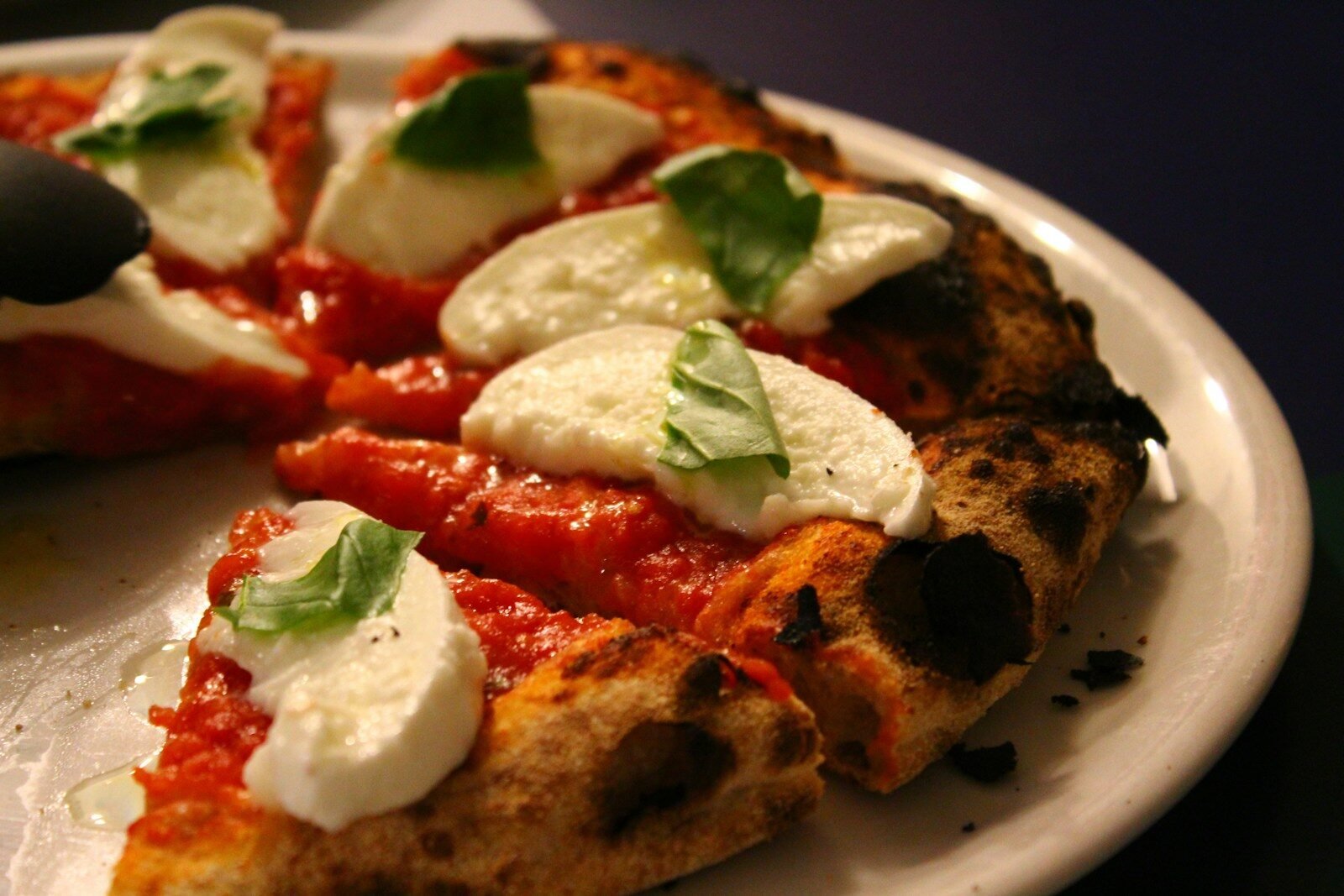
The Margherita (tomato sauce, mozzarella, basil) represents pizza in its most elegant simplicity. Quality ingredients shine without distraction. Ordering Margherita separates accomplished pizzerias from those hiding mediocre fundamentals under heavy toppings. If a pizzeria’s Margherita impresses you, other pizzas likely will too.
The classic combination has remained unchanged for centuries, reflecting the importance of balance in Italian cuisine. The red tomato, white mozzarella, and green basil even mirror the Italian flag, making Margherita a deeply patriotic dish in Italian food culture.
Marinara
Marinara (tomato, garlic, oregano, no cheese) offers another litmus test for pizzeria quality. The absence of cheese puts dough and sauce front and center. Traditional Marinara uses tomato sauce sparingly, allowing the crust’s texture and the wood-fired oven’s influence to define the experience. This pizza style emerged from Neapolitan dock workers who needed affordable, quick meals.
Seasonal and Specialty Pizzas
Award-winning pizzerias maintain seasonal menus reflecting ingredient availability. Giovanni Santarpia’s Marinara Gialla uses yellow Piennolo tomatoes, Cetara anchovies, capers, garlic, Pantelleria oregano, and olives. These combinations tell stories about regional Italian agriculture and traditional pairings. For those interested in understanding how seasonal ingredients pair with wine, our Tuscan red wines guide explores flavor combinations that enhance both traditional and contemporary pizzas.
Vegetarian and Vegan Options
Most pizzerias offer vegetable-based pizzas. Traditional options include pizzas with roasted peppers, mushrooms, eggplant, and seasonal produce. Nearly all establishments accommodate gluten-free diets, though quality varies. Giovanni Santarpia particularly emphasizes gluten-free excellence, developing dedicated dough rather than offering substandard versions.
Practical Dining Information
Reservations
Book reservations for award-winning pizzerias like Giovanni Santarpia, Giotto, and Berberè, particularly for dinner and weekends. Most operate first-come-first-served systems for lunch hours and early evening. Online booking systems or phone calls both work efficiently.
Timing and Wait Expectations
Dinner service (typically 6:30 to 11:00 PM) involves longer waits than lunch. Arrive before 8:00 PM or plan for potential 30-minute to 2-hour waits depending on the establishment’s size. Lunch service (12:30 to 2:30 PM) generally offers shorter waits. Understanding these timing patterns helps you plan dining experiences that match your schedule.
Budget Considerations
Pizza al taglio shops offer single slices for 3 to 5 euros. Sit-down pizzeria meals (single pizza plus beverage and tip) typically cost 12 to 18 euros per person at quality establishments. Award-winning pizzerias may reach 16 to 22 euros per pizza depending on topping complexity. For special dining occasions with premium selections and wine pairings, anticipate higher investment.
Beyond pizza, Florence’s culinary tradition emphasizes high-quality proteins prepared simply. The iconic Bistecca alla Fiorentina represents the region’s most celebrated meat dish, often paired with local wines and seasonal vegetables for complete dining experiences.
Beverages
Italian pizzerias typically pair pizza with wine (red or white, depending on pizza type), beer, or soft drinks. Coffee follows pizzas as digestivo tradition in Italy. Many pizzerias feature excellent local wine selections representing Tuscan producers. The pairing philosophy emphasizes complementing rather than overwhelming the pizza’s flavors.
Dining Culture
Watch how locals dine: they use forks and knives for pizzas, eat slowly, and socialize extensively during meals. Rushing contradicts Italian dining philosophy. Take your time, observe the atmosphere, and embrace the pace. Meals represent social and cultural events rather than mere fuel consumption.
Frequently Asked Questions
Qual è la migliore pizza di Firenze?
Firenze offre diverse tipologie di pizza, dalla tradizionale pizza napoletana alla pizza al taglio. La scelta dipende dal gusto personale: chi ama un impasto morbido può preferire lo stile napoletano, mentre chi cerca una pizza più croccante può scegliere altri stili locali.
Dove mangiare una pizza autentica a Firenze?
Per gustare una pizza autentica è consigliabile scegliere una pizzeria che prepari l’impasto fresco e utilizzi ingredienti italiani di qualità. Nel centro di Firenze si trovano numerosi locali che propongono sia pizza tradizionale sia interpretazioni contemporanee.
Qual è la pizza tipica di Firenze?
Firenze non ha una singola pizza tipica paragonabile alla pizza napoletana di Napoli. La città offre però numerose interpretazioni della pizza italiana, spesso accompagnate da ingredienti toscani come salumi, formaggi, verdure di stagione e prodotti locali.
Quanto costa una pizza a Firenze?
Il prezzo varia in base al locale, alla zona e agli ingredienti utilizzati. La pizza al taglio è generalmente una delle alternative più economiche, mentre una pizza servita al tavolo in una pizzeria può avere un prezzo più elevato.
Dove mangiare pizza vicino al Duomo di Firenze?
Nella zona del Duomo e nel centro storico si trovano diverse pizzerie e locali che propongono pizza al piatto e pizza al taglio. Per scegliere un buon locale è utile controllare il menu, la qualità degli ingredienti e il tipo di impasto proposto.
Qual è la differenza tra pizza napoletana e pizza fiorentina?
La pizza napoletana presenta generalmente un centro sottile, un cornicione alto e soffice e un impasto particolarmente morbido. A Firenze è possibile trovare sia pizza napoletana tradizionale sia versioni più croccanti e interpretazioni che utilizzano ingredienti della cucina toscana.
Dove trovare la pizza al taglio a Firenze?
La pizza al taglio è molto pratica per un pranzo veloce o uno spuntino durante la visita della città. Viene venduta in porzioni e può essere scelta in diversi gusti, permettendo di assaggiare più combinazioni senza ordinare una pizza intera.
Quali sono gli ingredienti della vera pizza italiana?
Una pizza italiana tradizionale parte generalmente da pochi ingredienti fondamentali: farina, acqua, lievito e sale per l’impasto, accompagnati da pomodoro, mozzarella, olio extravergine d’oliva e altri ingredienti scelti in base alla ricetta.
Dove trovare pizza senza glutine a Firenze?
A Firenze diverse pizzerie propongono opzioni senza glutine. Chi soffre di celiachia dovrebbe informarsi sempre sulle modalità di preparazione e sulle procedure adottate dal locale per ridurre il rischio di contaminazione.
Quale pizza provare per la prima volta a Firenze?
Per una prima esperienza, la Margherita è una scelta semplice per valutare la qualità dell’impasto, del pomodoro e della mozzarella. Chi vuole provare qualcosa di più legato al territorio può scegliere una pizza con ingredienti e specialità della tradizione toscana.
Leave a Reply